Septic Design Cost vs Long-Term Savings: Is It Worth It?

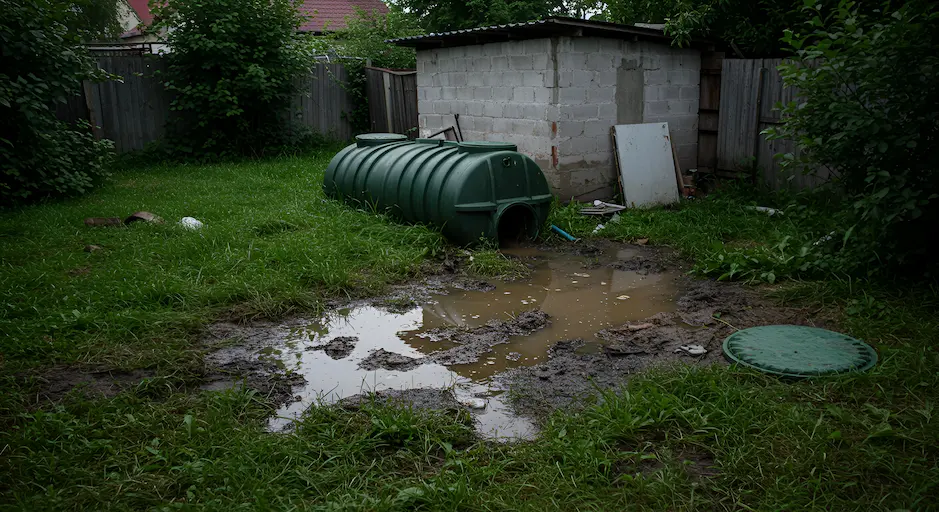
Most people do not think much about a septic system until something goes wrong. A soggy patch appears in the yard. Drains slow down. Toilets gurgle. A faint odor starts hanging around after rain. By that point, the conversation has already shifted from planning to damage control, and damage control is almost always the expensive path.
That is why the real question is not simply whether septic design cost feels high on the front end. The better question is whether good septic design reduces the chance of ugly, recurring expenses over the next 10, 20, or 30 years. In my experience, it usually does. Not always, and not in the same way for every property, but often enough that owners who treat design as a corner to cut are gambling with one of the most important systems on the site.
A septic system lives underground, out of sight and out of mind. That makes it easy to underestimate how much performance depends on planning. Soil conditions, slope, groundwater, fixture count, occupancy, drainfield size, pump needs, and reserve area all matter. Good design is not paperwork for paperwork’s sake. It is the difference between a system that quietly does its job and one that becomes a constant source of repairs, limitations, and resale headaches.
Why septic design drives cost in the first place
When homeowners first hear a quote for septic system design, their reaction is often the same: why does a design cost this much before any digging even begins? It is a fair question. From the outside, the deliverable may look like drawings, calculations, and permit documents. What is easy to miss is the amount of judgment that goes into those pages.
A proper septic system design starts with understanding the site, not with choosing a tank off a shelf. Soil testing matters because wastewater treatment depends heavily on what happens after effluent leaves the tank. If soils drain too slowly, the system can overload and surface. If they drain too quickly, treatment may be inadequate. If seasonal groundwater sits high, the usable options narrow. If the lot has steep grades, shallow bedrock, limited separation distances, or prior disturbance, those constraints have to be worked around carefully.
That front-end work costs money because mistakes at this stage become expensive underground. Redesigns after permitting delays cost money. Rework during installation costs money. Building a system that technically fits but functions poorly costs far more.
The septic design cost for a simple site can be manageable, especially when the soil is suitable and the layout is straightforward. On a more constrained lot, the cost rises because the engineer or designer is solving a harder problem. That is not a sign of wasted effort. It is usually a sign that the site demands more precision.
Cheap design is often expensive construction in disguise
I have seen this pattern more than once. A property owner tries to save a modest amount upfront by going with the lowest design price. The design clears permitting, but it leaves too much ambiguity in the field. The installer arrives and discovers elevations do not quite work. The tank invert is wrong for the building sewer. The reserve area is awkward. Pump sizing was treated too casually. Site conditions expose a mismatch between the drawing and reality.
Then the change orders start.
Excavation crews are not inexpensive, and they are especially not inexpensive when equipment is already mobilized and the clock is running. A few thousand dollars saved on design can disappear in a day or two if adjustments have to be made in real time. Worse, some changes fix one problem but introduce another. A rushed field revision can leave a system harder to maintain, more vulnerable to hydraulic issues, or dependent on pumps when gravity could have worked with better planning.
A sound septic system design and installation process reduces that friction. It does not eliminate every surprise, because subsurface work always carries some uncertainty, but it narrows the margin for avoidable error. The installer has clear intent. The health department or permitting authority sees a coherent plan. The owner gets a system built with fewer improvisations.
That is not glamorous. It is simply how durable infrastructure tends to work.
The long-term savings are real, but they do not all show up on one invoice
Homeowners often want a direct payback calculation. Spend X now, save Y later. Septic systems do not always behave that neatly, because the savings show up in several categories and over a long period.
Some savings are obvious. A well-designed system is less likely to fail early, less likely to need major corrective work, and less likely to burden the owner with recurring service calls. Some savings are indirect. Better design can preserve usable yard space, reduce energy use if a pump can be avoided, improve access for pumping and maintenance, and protect property value when the home is refinanced or sold.
Then there is the avoided cost nobody likes to talk about: emergency replacement. A failing septic system can force rushed decisions under pressure, often under unfavorable seasonal conditions. If the failure happens in a wet spring or during a home sale, the owner loses bargaining power immediately. Emergency work tends to be costlier, more stressful, and less flexible than planned work.
A thoughtful design gives you a better chance of staying out of that position.
What “worth it” looks like in practical terms
Whether a septic design is worth the investment depends on how long you plan to own the property, how challenging the site is, and how costly failure would be. On a simple rural parcel with excellent soils and plenty of room, the premium for an especially refined design may not produce dramatic savings. On a tight lot, an older home addition, or a site with drainage limitations, the difference can be substantial.
Think of it this way. If a stronger design approach adds a modest amount to the initial project but helps avoid one premature drainfield issue, one major rework, or one failed inspection during a sale, the math changes fast. Septic failures do not usually come with tidy repair bills. When excavation, hauling, replacement media, electrical work, restoration, and permitting get involved, costs climb quickly.
Even routine inefficiencies matter over time. A system that relies on pumping when gravity could have worked will carry electrical and maintenance costs year after year. A system laid out with poor access may make every future service visit slower and more expensive. A drainfield squeezed into a compromised location may survive, but with less resilience during heavy use or wet seasons.
Good design does not make a septic system immortal. It gives the system a better operating environment.
Site conditions are the real cost multiplier
Two homes with the same bedroom count can have very different design costs because the land under them is different. Homeowners sometimes compare quotes with a neighbor or a relative in another township and assume one number must be inflated. Usually, that comparison misses the point.
The cheapest septic system design belongs to the easiest site. Deep, favorable soils. Enough acreage for proper setbacks. Reasonable grades. No unusual groundwater concerns. Straightforward access. Minimal conflict with wells, driveways, outbuildings, or property lines.
The cost rises when the site becomes less forgiving. That is especially true in places where lot size is limited or where soil conditions vary sharply over short distances. In areas such as Wantage, NJ, where rural properties may rely heavily Septic Design on onsite wastewater treatment, septic design has to respond to actual site constraints rather than generic assumptions. That is why a reputable provider offering Septic Design Wantage, NJ services should be talking in detail about soil evaluations, layout constraints, reserve area, and permitting, not just handing out a one-size-fits-all number.
The property itself determines how much design work is necessary. If your lot is difficult, paying for careful planning is often the less expensive choice in the long run.
A good design can protect resale value more than owners expect
Septic work tends to surface during transactions. Buyers ask for records. Inspectors look for signs of failure. Lenders and local requirements can trigger additional scrutiny. At that point, a property owner discovers whether past decisions were merely cheap or actually costly.
A well-documented septic system design can help demonstrate that the system was planned properly, installed with intent, and sized for the home it serves. That matters if a buyer wants confidence that an addition was handled legally, or if questions arise about bedroom count, reserve capacity, or system age. It also matters when a property has unusual site constraints. Buyers are understandably wary of systems that appear improvised.
On the other hand, vague records or evidence of piecemeal changes can hurt value. Even if the system is functioning today, uncertainty creates negotiation pressure. Buyers begin to price in future risk, and they usually price it aggressively.
I have seen transactions where a septic issue did not just reduce the sale price. It changed the whole tone of the deal. Confidence disappeared. Timelines slipped. Contractors were called in at the worst possible moment. A system that had been “good enough” for years suddenly became the center of the transaction.
That is part of the long-term savings conversation too. Strong design creates traceable decisions, and traceable decisions tend to preserve value.
Where owners overspend, and where they should not cut
Not every extra dollar spent on a septic project creates value. Some owners overspend on features they do not need, or on oversized solutions chosen out of fear rather than site necessity. Others cut the wrong items and end up paying later.
The better approach is to separate meaningful design investment from decorative or unnecessary complexity. Paying for competent soil evaluation, hydraulic logic, constructible plans, and realistic maintenance access is usually money well spent. Paying for a complicated system when a simpler code-compliant option would perform just as well may not be.
This is where experienced judgment matters. A strong designer should be able to explain not just what the preferred option is, but why it makes sense for your property. They should also be able to explain trade-offs clearly. If a mound or pressure-dosed system is required because of soil limitations, you want to hear that in plain language. If gravity can work and save future operating cost, you want that on the table too.
A homeowner does not need to become an engineer overnight. But they do need enough clarity to know whether the money is solving a real problem.
The hidden cost of undersized thinking
One of the most common long-term mistakes is designing too tightly for present use without considering future use. A system may be sized to the minimum allowed for the home as it stands today, but the property owner later finishes a basement, adds fixtures, expands occupancy, or plans a sale where bedroom count becomes a live issue. Suddenly the once-cheap decision limits flexibility.
This does not mean every system should be oversized indiscriminately. It means design should account for realistic property use and likely life-cycle changes. If the owner knows they may add living space, convert a room, or increase occupancy, that should be part of the early discussion. It is often cheaper to account for those realities during design than to revisit the whole system later.
The same principle applies to layout. If future site work could disturb the reserve area, conflict with a driveway expansion, or block access for service, the design should acknowledge that. A septic plan that ignores how owners actually use their land can create expensive constraints down the road.
Maintenance savings depend on design more than people think
Homeowners usually separate septic design from septic maintenance, but the two are tied together. Design shapes maintenance burden.
A tank placed where pump trucks can access it without tearing up half the site is easier to service. Components that are not buried in awkward locations are easier to inspect. A system with sensible elevations and clear access points will cost less in labor over time than one that was crammed into a bad location for the sake of expedience.
Even routine pumping can become more expensive when access is poor. Add in filters, pumps, alarms, and controls, and design decisions start affecting every service event. That does not mean advanced systems are bad. Some sites require them. It means owners should understand that a more complex system septic system design and installation has a different maintenance profile, and that complexity should be justified by the site.
When people ask about septic design cost, I often tell them to picture ten maintenance visits over the next couple of decades. If design makes each of those visits simpler, cheaper, and less disruptive, that value is real even if it does not appear in a neat spreadsheet.
The installation phase is where good design proves itself
The phrase septic system design and installation is often used as if design and installation are interchangeable. They are not. Installation is where the drawings meet soil, grade, weather, and equipment. A good design should make that meeting smoother.
Installers appreciate plans that are clear, coordinated, and grounded in field reality. They can sequence the work efficiently. They can avoid unnecessary rehandling of material. They are less likely to stop and wait for clarifications. The owner benefits because labor time is used building the system, not debating what the plan probably meant.
This is another place where apparent savings can vanish. If a low-cost design creates confusion in the field, installation costs rise. If a well-prepared design allows the contractor to work cleanly and predictably, the owner may recover some or all of the added design expense right there.
That is especially true when weather windows are short or when site access is difficult. Few things increase cost faster than having equipment and crews stalled on a muddy site because critical design details were not resolved beforehand.
Questions worth asking before you approve a design
A property owner does not need a technical monologue. They need practical confidence. Before committing, ask how the proposed system fits the site, what assumptions drive the sizing, what maintenance the design will require, and what alternatives were considered. Ask whether gravity service is possible. Ask how future repairs or pumping will be handled. Ask whether the plan protects a usable reserve area.
Those questions tend to reveal whether the designer is solving your problem or merely drafting a permit package.
Here are a few especially useful ones to keep in mind:
- What site condition is driving this design choice the most?
- What will this system likely cost to maintain over time?
- Is there a simpler compliant option, and if not, why not?
- How does this layout affect future yard use, additions, or resale?
- Where are the likely failure points if the system is neglected?
A designer who answers those directly is usually giving you something more valuable than linework.
When spending more upfront may not pay off
There are cases where the premium for a more elaborate design does not create meaningful long-term savings. If the site is highly forgiving, local requirements are straightforward, and the selected system is already simple and durable, a dramatically more expensive design package may not improve outcomes very much. Owners should be cautious about paying for complexity that serves the consultant more than the property.
Likewise, if you are evaluating optional upgrades, the right question is whether they address a real site need, improve reliability in a measurable way, or meaningfully reduce maintenance burden. If the answer is vague, the spending may not be justified.
The point is not that higher septic design cost is always better. The point is that good value comes from design quality aligned to site conditions and long-term use. The smartest spending is targeted spending.
So, is it worth it?
For most properties, yes, careful Septic Design is worth it, especially when the land is not simple, when the home is a long-term hold, or when resale value matters. The savings are often uneven and delayed, but they are real. They show up in fewer surprises during construction, lower risk of premature failure, more predictable maintenance, better documentation, and stronger marketability.
People rarely celebrate septic work because the best systems stay invisible. They do their job quietly for years. That quiet performance is not accidental. It is designed.
If you are weighing septic system design cost against long-term savings, do not frame the decision as design versus no design. You are going to have a design either way. The real choice is between a design that simply gets you through the next approval step and a design that gives the system the best chance to perform well over time.
For a system buried beneath your yard and tied directly to health, habitability, and property value, that difference is usually worth paying for.
Excavating New Jersey LLC
Address: 406 County Rd 565, Wantage, NJ 07461, United States
Phone number: +19737914284
FAQ About Septic Design
How much should a septic design cost?
Septic system design is an essential step in the installation process and often requires the expertise of a design professional or septic system engineer. For straightforward sites, hiring a design professional is a cost effective option with prices generally ranging from $450 to $900 for a standard three bedroom home.
How many bedrooms will a 1000 gallon septic tank support?
A 1,000-gallon septic tank is standard for a 1 to 3-bedroom home. In many jurisdictions, this is the minimum allowable size for residential use. While it can occasionally support a 4-bedroom home with conservative water usage, most local codes require a 1,200 to 1,500-gallon tank for four or more bedrooms.
What is the typical layout of a septic system?
A conventional septic system features a sequential, gravity-fed layout starting from your home. Wastewater flows into a buried, watertight septic tank where solids settle, then moves to a distribution box, and finally trickles into an underground drain field for natural soil filtration.