Septic Design Wantage, NJ: Permitting Insights for Home Projects
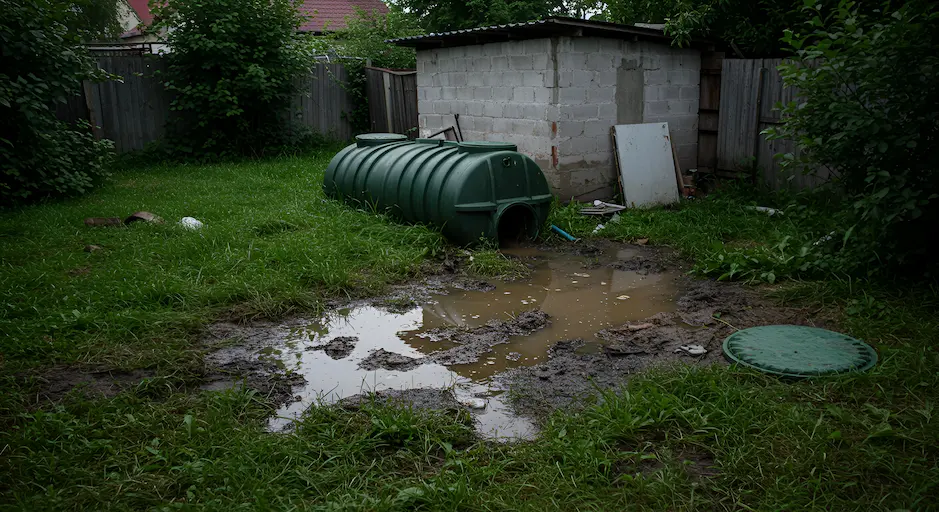
If you are planning a new home, an addition, or a rebuild in Wantage, the septic work often becomes the part of the project that reshapes everything else. People usually start with the house, the garage, the kitchen they want, maybe the view from the back deck. Then the site work begins, test pits get dug, and suddenly the conversation shifts to slopes, seasonal high water, reserve areas, and whether the lot can support the bedroom count they had in mind.
That is normal. In northwestern New Jersey, and especially in communities with larger rural lots like Wantage, septic system design is not a side detail. It drives layout, schedule, cost, and permit timing. A solid design can keep a project moving. A weak one, or one started too late, can send you back to the drawing board after you have already spent money on architectural plans.
I have seen projects where the owner assumed a septic permit would be routine because there was already an older system on site. Then the existing system turned out to be nonconforming by current standards, or the new house footprint interfered with the replacement area, or grading plans pushed runoff toward the disposal field. None of that is unusual. It is simply the reality of building where the land has a vote.
This is where experienced Septic Design matters. Not just the calculations, but the judgment. Good septic design and installation planning starts with the lot, not with a standard template. In Wantage, NJ, that usually means taking permitting seriously from the first conversation.
Why permitting shapes the whole project
A septic permit is not just a rubber stamp for a tank and a field. It is the local confirmation that the system proposed for the property can function safely under the site conditions that actually exist. That includes soils, groundwater separation, topography, distances from wells and structures, and enough space for both the initial system and a replacement area. When you hear someone talk about septic system design as if it were mostly plumbing, that is a sign they have not spent much time working through rural permitting.
The practical effect is that your building envelope may shrink once the septic layout is defined. A lot that looks generous on paper can become much tighter after setbacks, driveway alignment, grading constraints, well location, and disposal field placement are all drawn together. On a wooded or sloped parcel, this happens fast. The house might need to rotate. The garage might have to move. A walkout basement might become a poor idea if it cuts into the only viable field area.
For a homeowner, the biggest permitting mistake is usually timing. They bring in the septic designer after the house plan is nearly finished. By then, everyone is emotionally attached to the layout. If the soil testing or site constraints do not support that layout, the redesign feels like a setback, even though it would have been much cheaper to solve at the beginning.
What a septic designer is really evaluating in Wantage
Septic Design Wantage, NJ projects often turn on conditions you cannot see from the road. A flat lawn can hide shallow groundwater. A beautiful wooded area can have limiting soils. An older homesite can contain disturbed fill in the exact place the owner hoped to build. This is why field investigation matters more than assumptions.
The designer typically starts by reviewing the property survey, tax map information, existing improvements if any, and whatever prior septic records exist. Then comes site testing. In many cases that means soil logs or test pits to understand the soil profile and identify restrictive layers, plus percolation testing where required as part of the approval process. Those results influence whether the system can be a more conventional subsurface design or whether a more engineered approach is needed.
This is also where local experience earns its keep. A designer who regularly handles Sussex County area work tends to recognize patterns. Certain lots look straightforward until the excavation exposes mottled soils or rock fragments at shallow depth. Other sites appear difficult but end up workable because the usable area sits on a better portion of the property than the owner expected. You cannot replace field judgment with a software printout.
When septic system design is done well, it balances several competing goals at once. It has to satisfy code, fit the lot, protect future replacement options, coordinate with driveway and grading plans, and remain buildable at a realistic cost. The best designs are not always the cheapest on paper. They are the ones that still make sense after permit review, bidding, and construction.
The approvals are rarely just about the septic itself
Homeowners are often surprised that septic permitting can touch multiple parts of the project beyond the disposal field. Even if the septic approval comes from the local health authority, the plans may need to align with zoning setbacks, building permit documents, well placement, and stormwater or grading considerations. If the lot has environmental constraints, stream corridors, wetlands, or steep slopes, the septic layout can trigger another layer of review or at least require careful coordination.
This matters because a septic permit package does not live in isolation. The reviewer wants to see a site plan that makes sense as a whole. If your driveway cuts through the reserve area, or your proposed addition sits too close to critical components, the issue may be raised during review even if the septic calculations themselves are fine.
That is why smart project teams sequence the work properly. The septic designer, surveyor, architect, and sometimes the site contractor need to be working from the same base information. In smaller home projects, this coordination is often informal, which is where things can go wrong. One person draws a grading swale, another places an addition, and only later does someone notice the reserve field has been pinched or the cleanouts end up in an awkward location.
Existing homes create a different kind of permitting challenge
For new construction, the site is usually the main variable. For renovations and additions, the unknowns often come from the existing system. If the house is older, the original septic records may be Septic Design incomplete, outdated, or hard to interpret. The tank size may not align with the current intended use of the home. The disposal area might be undersized by modern standards. In some cases, no one can say with confidence where every component is.
That uncertainty matters most when a project increases the design flow. Extra bedrooms are the classic trigger, but large renovations can raise similar questions even when the owner does not think they are changing the use much. If the health department treats the project as an expansion of septic demand, the old system may need to be evaluated much more closely. At that point, what seemed like a straightforward home improvement can become a septic upgrade project.
I have seen homeowners spend heavily on architectural plans for a second story addition, only to learn later that the lot had no practical reserve area left under current standards. The choice then became redesign the house to stay within the existing septic capacity or budget for a more involved replacement system. Neither option feels good when discovered late.
This is one reason septic design and installation planning should start early for older homes in Wantage. Even a quick records search and site walk can expose issues before they become expensive.
Soil conditions can change the price dramatically
People often ask for septic design cost before anyone has stepped onto the property. I understand why. They are trying to build a budget, and septic can be a large line item. But the honest answer is that costs vary because the design depends on what the lot can support.
The design fee itself is only part of the equation. There is the field investigation, the plan preparation, permit coordination, and then the construction cost of the actual system. On a favorable lot with workable soils and enough room, the installed system may be relatively straightforward. On a constrained lot, costs rise quickly because the design may call for a more specialized approach, more imported material, more distribution components, tighter construction controls, or all of the above.
That is why two properties on the same road can have very different septic design cost profiles. One has a broad, usable area with good separation and a clear route for construction equipment. The other has steep grades, limited accessible space, and a well location that leaves only one narrow area for disposal. The first lot may support a simpler solution. The second can require more engineering and more field labor even if the homes are about the same size.
For planning purposes, homeowners should think in bands rather than fixed numbers. The cost of septic system design and installation is influenced by the testing results, the system type, access, grading, and whether existing site features have to be protected or worked around. A realistic early budget should leave room for surprises, because subsurface work is where surprises live.
The most common permit delays I see
Many permit delays are self-inflicted, though not out of negligence. They happen because someone tries to save a few weeks at the beginning and loses months later.
Here are the issues that most often slow a septic application:
- Starting house plans before field testing is complete.
- Submitting plans that do not match the current survey or topography.
- Ignoring how well location, driveway layout, and grading affect the septic area.
- Assuming an older system can simply be reused without formal review.
- Waiting too long in the season to schedule soil work and revisions.
Each of those seems manageable in isolation. Together, they create a chain reaction. The house moves, then the driveway moves, then the reserve area gets compromised, then the permit package has to be redone. If weather turns or contractor schedules tighten, the delay multiplies.
Seasonality is easy to overlook in rural projects. Testing windows, site accessibility, and reviewer turnaround can all feel different depending on the time of year. A lot that is simple to investigate in dry weather may be much harder to access after prolonged wet conditions or when snow cover limits field work. That does not mean projects stop, but it does mean the best schedule is usually the one that starts earlier than the owner thinks necessary.
Designing for the replacement area is not optional
One of the least appreciated parts of septic system design is the reserve area, the place where a future replacement system can go if the original field reaches the end of its service life or fails prematurely. Homeowners often focus on the first install because that is what they are paying for now. Permit reviewers do not have that luxury. They have to consider the long-term use of the lot.
This is especially important on constrained parcels. The initial field may fit, but if there is no compliant room left for replacement, approval becomes much harder. Sometimes the reserve area drives the site plan more than the initial field does. It may need to remain undisturbed, protected from compaction, and clear of future improvements. That affects landscaping, sheds, pools, patios, and where heavy equipment can travel.
I have had owners look at a broad back yard and assume they can decide later where to put a detached garage or a pool. Then the septic layout is finalized and half of that open area effectively becomes spoken for. Nobody likes hearing that after the fact, but it is far better than discovering it after concrete has been poured in the wrong place.
A good designer explains this early and marks the field areas clearly on the plan. A better one also explains what that means for everyday ownership. Do not plant deep-rooted trees there. Do not regrade casually. Do not drive over it with loaded trucks because the lawn feels firm in summer. Septic areas fail as often from misuse as from bad design.
The local review process rewards clean, coordinated plans
Permitting goes more smoothly when the reviewer does not have to guess what the applicant intends. That sounds obvious, but many residential submissions are stitched together from multiple revisions and partial sketches. The house footprint on one sheet does not match the grading on another. The proposed well moves between versions. Existing features are shown inconsistently. None of that inspires confidence.
In Wantage, NJ, where a lot of home projects take place on varied terrain and private utility systems, reviewers are understandably cautious. The more coherent the package, the easier it is to evaluate. Clean septic plans show existing conditions, proposed improvements, required setbacks, design assumptions, and a layout that works with the site rather than fighting it.
That usually means the septic designer needs current survey information and real communication with the rest of the team. If the architect changes the foundation footprint, the septic plan may need adjustment. If the owner wants to preserve a stand of mature trees, the field location may need to shift. If a driveway grade becomes too steep and is rerouted, the reserve area could be affected. None of those changes are impossible. They just need to be tracked before the application goes in.
What homeowners can do before hiring the full team
Even before formal design starts, there are a few practical moves that help. They do not replace professional work, but they can save time and sharpen early decisions.
A useful early checklist looks like this:
- Locate any existing septic records, prior permits, and as-built plans.
- Confirm the current survey is recent enough for design use.
- Be honest about the intended bedroom count and future expansion plans.
- Walk the site after wet weather, not just on a dry sunny day.
- Ask early whether the project changes septic demand under local review standards.
That third point matters more than many owners realize. I have heard people say they are building a three-bedroom house but want a den, an office, and a finished bonus room over the garage. Depending on layout and local interpretation, reviewers may look beyond the label on the floor plan and consider how the house functions. The right move is not to play word games with room names. It is to ask direct questions early and design accordingly.
Installation planning should already be part of the design
A septic plan that works beautifully on paper can still create headaches in the field if constructability is ignored. This is where septic design and installation need to be treated as one conversation. Access for excavation equipment, stockpile areas, erosion control, trench safety, sequencing with foundation work, and protection of the undisturbed soil in the disposal area all matter.
For example, if the field area gets compacted by trucks during house construction, the final system performance can suffer. That risk should be anticipated in the site logistics before the permit is even issued. Likewise, if imported fill or specialized materials may be needed, the contractor should know that before pricing the job. Surprises at bid time are how budgets unravel.
The best projects tend to have a designer who thinks through these field realities, not just the permit drawing. They choose locations that can be built without abusing the site. They flag areas that must be protected. They coordinate elevations so wastewater flow and grading work together rather than competing. Those decisions are not glamorous, but they are often what separates a smooth install from a stressful one.
A realistic way to think about septic design cost
When homeowners ask about septic design cost, I usually encourage them to break it into phases instead of chasing one all-in number too early. There is the investigative phase, where soils and site conditions are understood. There is the design and permitting phase, where the plans are prepared and reviewed. Then there is construction, which can range from fairly routine to highly site-specific.
This approach is more useful because it mirrors how risk gets reduced. At the beginning, uncertainty is high. After testing and layout work, uncertainty drops and the pricing picture gets better. If you try to force a hard budget before the site is characterized, you are not controlling cost, you are just pretending the unknowns do not exist.
That does not mean you cannot budget. It means you should budget intelligently. Keep a contingency. Ask what assumptions a preliminary estimate is based on. Clarify whether the number includes only the design fee or the expected septic system design and installation work too. Some owners hear a design fee and think they have just priced the whole septic project. They have not.
On rural lots, the most expensive septic project is often the one that had to be redesigned midstream because someone pushed ahead without enough site information. Spending a bit more up front for careful Septic Design is usually the cheaper path.
What good planning looks like on a Wantage project
A well-managed project in Wantage generally starts with the land. The team studies the lot, runs the necessary testing, and identifies feasible septic areas before the house layout hardens. The septic designer works with the architect, not behind them. The survey reflects current conditions. The owner is clear about intended use, not just today but five or ten years out. The permit package goes in coordinated, not patched together.
That kind of planning does not eliminate every challenge. Some lots are simply difficult. But it changes the nature of the problem. Instead of reacting to bad surprises, the team is making informed trade-offs. Maybe the house shifts twenty feet to preserve a better reserve area. Maybe the garage size changes to keep grading out of the disposal field. Maybe the owner chooses a simpler footprint because it reduces site disturbance and future maintenance risk. Those are smart compromises, not failures.
For homeowners in Wantage, NJ, the main takeaway is straightforward. Treat septic system design as one of the first design decisions, not one of the last permit chores. The permit review is not there to slow you down for the sake of bureaucracy. It is there because the soil, water, and long-term usability of the property matter. When the septic work is handled early and with care, the rest of the project usually gets easier. When it is treated as an afterthought, it has a way of becoming the whole story.
Excavating New Jersey LLC
Address: 406 County Rd 565, Wantage, NJ 07461, United States
Phone number: +19737914284
FAQ About Septic Design
How much should a septic design cost?
Septic system design is an essential step in the installation process and often requires the expertise of a design professional or septic system engineer. For straightforward sites, hiring a design professional is a cost effective option with prices generally ranging from $450 to $900 for a standard three bedroom home.
How many bedrooms will a 1000 gallon septic tank support?
A 1,000-gallon septic tank is standard for a 1 to 3-bedroom home. In many jurisdictions, this is the minimum allowable size for residential use. While it can occasionally support a 4-bedroom home with conservative water usage, most local codes require a 1,200 to 1,500-gallon tank for four or more bedrooms.
What is the typical layout of a septic system?
A conventional septic system features a sequential, gravity-fed layout starting from your home. Wastewater flows into a buried, watertight septic tank where solids settle, then moves to a distribution box, and finally trickles into an underground drain field for natural soil filtration.